If you are new to Cambridge education, you may have heard of the term IGCSE without knowing exactly what it means, when students take it, or when you should start thinking about it for your child.
And if your child is still in Year 7 or Year 8, IGCSE can feel a long way off.
But while students do not begin their IGCSE examinations until the later years of Secondary School, the journey towards them starts much earlier.
First, what is IGCSE?
IGCSE stands for International General Certificate of Secondary Education. Developed by Cambridge, it is an internationally recognised qualification typically taken by students aged 14–16.
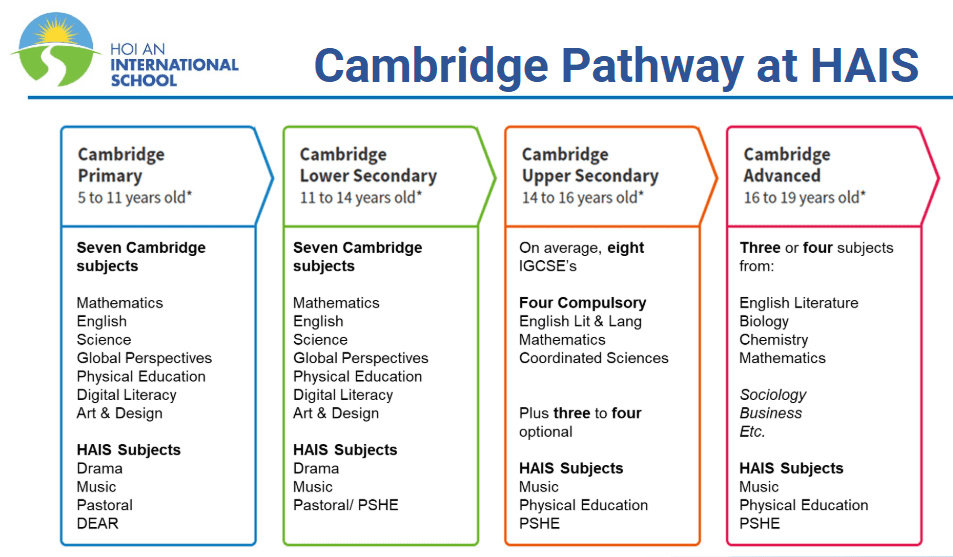
At HAIS, students study their IGCSE subjects across Years 10 and 11, as part of the wider Cambridge pathway:
Cambridge Lower Secondary (Years 7–9) → IGCSE (Years 10–11) → AS & A Level (Years 12–13)
Rather than taking one single IGCSE course, students study individual subjects based on their interests, strengths and future plans. These can include subjects across Mathematics, Sciences, English, Humanities, Languages and the Arts.
For many families, IGCSE may be their first experience of an international qualification. It is not simply about preparing for final examinations. Students also develop deeper subject knowledge,
If you are new to Cambridge education, you may have heard of the term IGCSE without knowing exactly what it means, when students take it, or when you should start thinking about it for your child.
And if your child is still in Year 7 or Year 8, IGCSE can feel a long way off.
But while students do not begin their IGCSE examinations until the later years of Secondary School, the journey towards them starts much earlier.
First, what is IGCSE?
IGCSE stands for International General Certificate of Secondary Education. Developed by Cambridge, it is an internationally recognised qualification typically taken by students aged 14–16.
At HAIS, students study their IGCSE subjects across Years 10 and 11, as part of the wider Cambridge pathway:
Cambridge Lower Secondary (Years 7–9) → IGCSE (Years 10–11) → AS & A Level (Years 12–13)
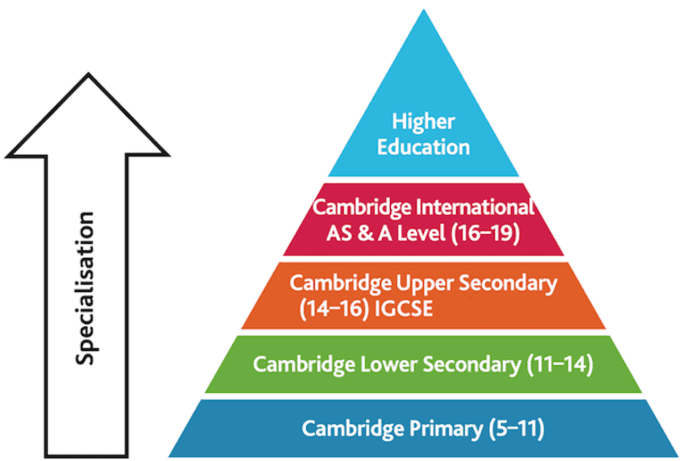
Rather than taking one single IGCSE course, students study individual subjects based on their interests, strengths and future plans. These can include subjects across Mathematics, Sciences, English, Humanities, Languages and the Arts.
For many families, IGCSE may be their first experience of an international qualification. It is not simply about preparing for final examinations. Students also develop deeper subject knowledge, independent learning skills and the confidence to think critically and apply what they know.
So, when should you start thinking about IGCSE?
You do not need to plan your child’s entire academic future in Year 7. Instead, each stage of Secondary School has a different role to play.
Year 7: Building strong foundations
For students entering Year 7, the priority is settling into Secondary School and developing the habits that will support them in the years ahead.
They begin managing different subjects and teachers, taking greater responsibility for their work and becoming more independent in their learning.
There is no need to choose IGCSE subjects yet. Instead, this is a time to build strong foundations in learning, organisation, confidence and curiosity.
Year 8: Discovering strengths and interests
By Year 8, students often begin to develop a clearer sense of what they enjoy and where their strengths lie. This can be a good time to start conversations about their interests.
Which subjects do they enjoy?
What kind of challenges do they like?
Do they prefer solving problems, exploring ideas, creating, researching or communicating?
Students do not need to have their future mapped out. The goal is simply to give them opportunities to discover what motivates them as learners.
Year 9: Starting to think about choices
By Year 9, IGCSE becomes a more immediate consideration.
Students may begin exploring which subjects they would like to continue into Years 10 and 11, while families naturally start asking questions about subject choices and future pathways.
This is where individual guidance becomes important.
A student’s strongest subject is not always automatically the right choice. Their interests, strengths, aspirations and the opportunities they may want to pursue later can all play a part.
The aim is to help students make informed choices, rather than feel that they need to have everything figured out at once.
What happens during Years 10 and 11?
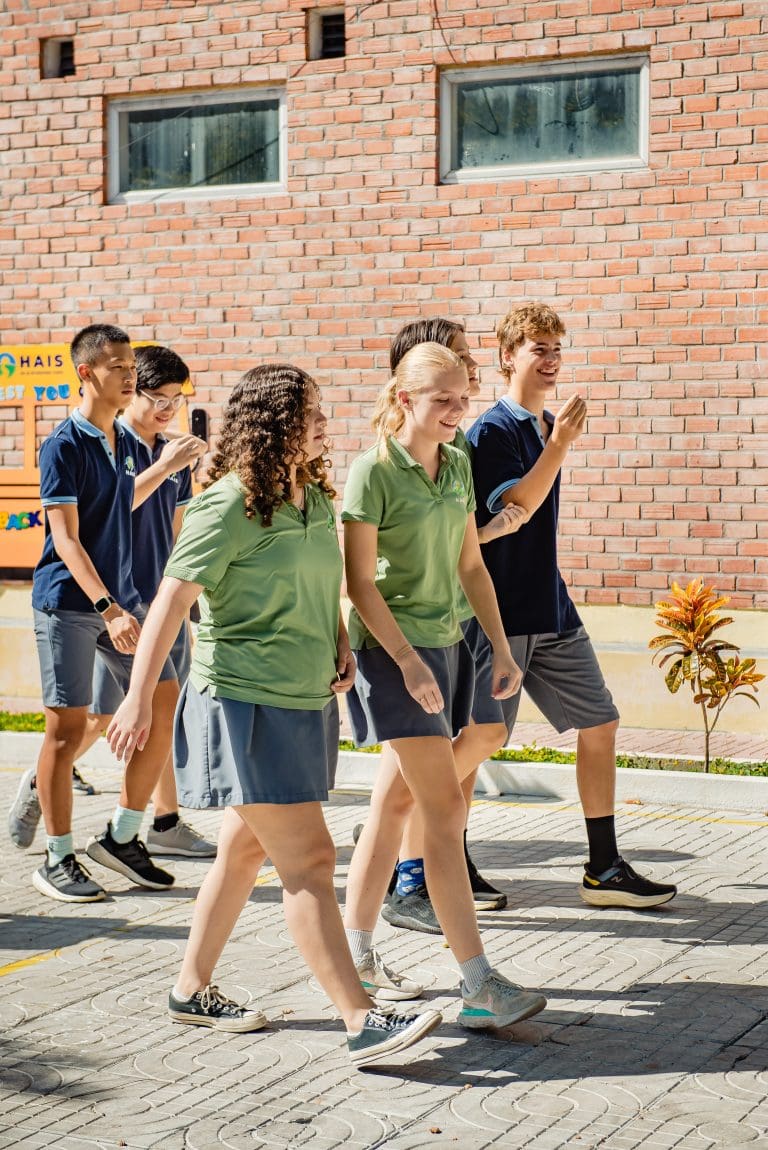
Years 10 and 11 are the IGCSE years.
Students study their chosen subjects in greater depth while developing the knowledge, understanding and examination skills needed for their final assessments. They also become increasingly responsible for managing their own learning, balancing different subjects and preparing for the next stage of their education.
For students who continue along the Cambridge pathway, IGCSE can lead into AS and A Level, where learning becomes more specialised and focused on the subjects they want to pursue further.
More than an examination
It is easy to think of IGCSE simply as a set of examinations at the end of Year 11. But the journey is about more than results.
Students develop the ability to think independently, solve problems, communicate ideas, manage their time and take ownership of their learning. These are skills that matter not only for the next stage of education, but well beyond it.
At HAIS, we believe that this journey will look different for every student. Our role is to understand each child, support their strengths and help them make decisions with confidence as they move towards their next chapter.
Ready to learn more about IGCSE?
If your child is approaching the IGCSE years, our upcoming IGCSE Information Event is an opportunity to learn more about the Cambridge pathway, understand how subject choices work and find out how HAIS supports students throughout this important stage.

Whether IGCSE is completely new to your family or you are already beginning to think about subject choices, we would love to welcome you.
Join us and start the conversation. Registration link: IGCSE Information Event