5 Benefits of Small Class Sizes
Words: Primary Learning Lead Kate Dekker Dunn
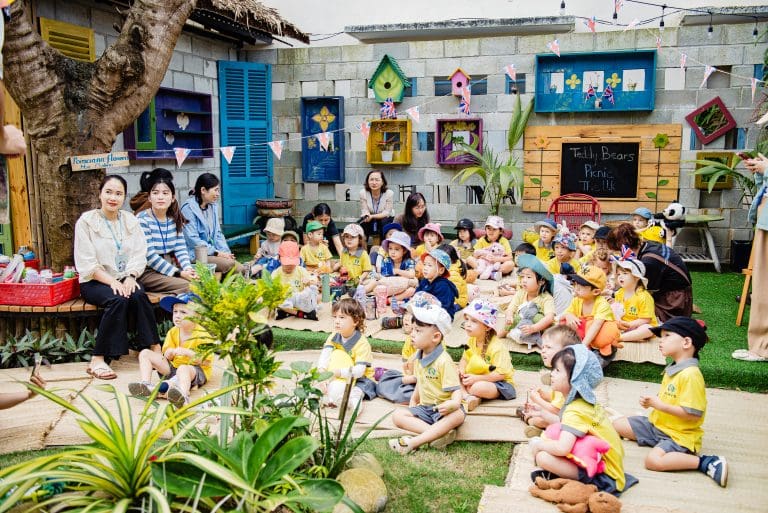
Having recently arrived from New Zealand, where class sizes typically averaged at 34 students or more, I was thrilled to discover the small class sizes offered at Hoi An International School. Small class sizes have been proven to offer numerous benefits for primary students. Here are five key advantages I’ve already observed here at Hoi An International School:
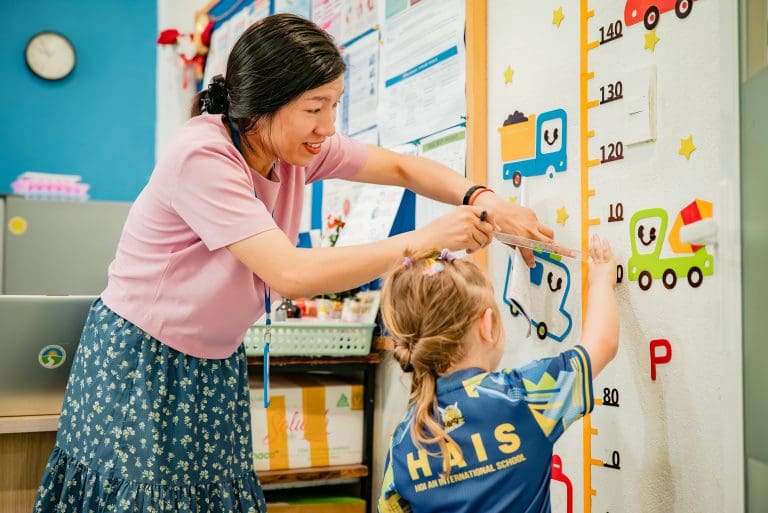
1. Individualised Attention: With a smaller number of students in each class, teachers can provide more personalised attention to each student. This allows them to identify and address the unique learning needs of every child. Teachers can tailor their teaching methods and pace to suit individual students, ensuring that no one is left behind or feels overwhelmed.
2. Enhanced Learning Environment: Small class sizes create a more conducive learning environment. Students have the opportunity to actively participate in discussions, ask questions, and engage in collaborative activities. This fosters a sense of belonging and encourages students to take ownership of their learning. It also promotes better teacher-student relationships, as teachers can build stronger connections with each student.
3. Increased Academic Performan
5 Benefits of Small Class Sizes
Words: Primary Learning Lead Kate Dekker Dunn
Having recently arrived from New Zealand, where class sizes typically averaged at 34 students or more, I was thrilled to discover the small class sizes offered at Hoi An International School. Small class sizes have been proven to offer numerous benefits for primary students. Here are five key advantages I’ve already observed here at Hoi An International School:
1. Individualised Attention: With a smaller number of students in each class, teachers can provide more personalised attention to each student. This allows them to identify and address the unique learning needs of every child. Teachers can tailor their teaching methods and pace to suit individual students, ensuring that no one is left behind or feels overwhelmed.

2. Enhanced Learning Environment: Small class sizes create a more conducive learning environment. Students have the opportunity to actively participate in discussions, ask questions, and engage in collaborative activities. This fosters a sense of belonging and encourages students to take ownership of their learning. It also promotes better teacher-student relationships, as teachers can build stronger connections with each student.
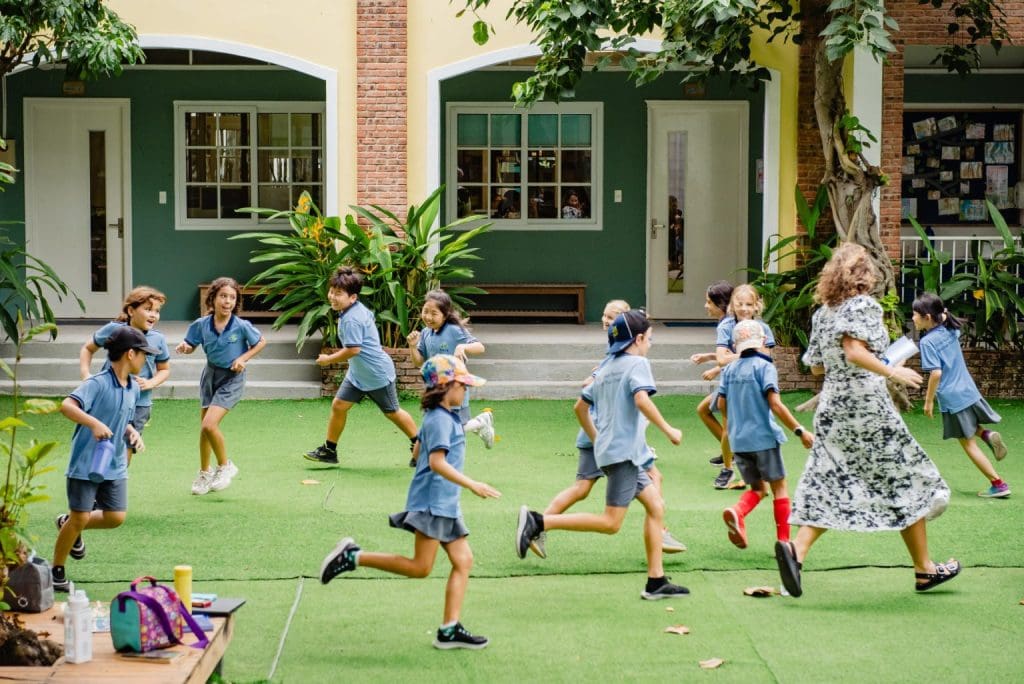
3. Increased Academic Performance: Research has consistently shown that students in small classes tend to perform better academically. With fewer distractions and more individualized attention, students can focus better on their studies. Teachers can also provide timely feedback and support, helping students to improve their understanding and skills. This leads to higher academic achievement and a greater sense of accomplishment.

4. Improved Social and Emotional Development: In small class sizes, students have more opportunities to interact with their peers and develop social skills. They can engage in meaningful discussions, collaborate on projects, and build friendships. Additionally, teachers can better observe and address the social and emotional needs of each student, fostering a positive and supportive classroom environment.

5. Enhanced Classroom Management: Smaller class sizes make it easier for teachers to manage the classroom effectively. With fewer students, teachers can maintain better discipline and ensure that all students are actively engaged in learning. This allows for smoother transitions between activities and reduces disruptions, creating a more focused and productive learning environment.