When Conversations Get Shorter: Staying Connected with Your Teen
There was a time when your child told you everything.
Now, conversations may sound different.
“How was your day?”
“Fine.”
“What did you do?”
“Nothing.”
For many parents, the teenage years can feel like a sudden shift. The child who once shared every detail now seems more private, more independent, sometimes even distant. It is easy to wonder: Are we drifting apart? The truth is, adolescence is not about pulling away from you. It is about growing into themselves.What is really happening?
Teenagers are navigating one of the most important developmental stages of their lives. They are:Forming their identity
Developing independent opinions
Managing stronger emotions
Feeling increased academic and social pressure
Seeking belonging while wanting individualityTheir world becomes bigger. Their friendships deepen. Their thoughts become more complex. And sometimes, they simply do not yet have the words to explain what they are feeling. Silence does not always mean disconnection. It often means processing. Why does communication feel harder?Teenagers crave independence, but they still need security. They want to make their own decisions, yet they look to adults for stability. This push and pull can make communication feel unpredictable.
There was a time when your child told you everything.
Now, conversations may sound different.
“How was your day?”
“Fine.”
“What did you do?”
“Nothing.”
For many parents, the teenage years can feel like a sudden shift. The child who once shared every detail now seems more private, more independent, sometimes even distant. It is easy to wonder: Are we drifting apart? The truth is, adolescence is not about pulling away from you. It is about growing into themselves.
What is really happening?
Teenagers are navigating one of the most important developmental stages of their lives. They are:
Forming their identity
Developing independent opinions
Managing stronger emotions
Feeling increased academic and social pressure
Seeking belonging while wanting individuality
Their world becomes bigger. Their friendships deepen. Their thoughts become more complex. And sometimes, they simply do not yet have the words to explain what they are feeling. Silence does not always mean disconnection. It often means processing. Why does communication feel harder?
Teenagers crave independence, but they still need security. They want to make their own decisions, yet they look to adults for stability. This push and pull can make communication feel unpredictable. What may look like moodiness is often emotional overload. What may sound like an attitude is sometimes vulnerability in disguise. They are testing their voice, their values, and their boundaries. That process can feel uncomfortable for everyone.
How can parents stay connected?
Connection in the teenage years often looks different from childhood. It may be quieter, more subtle, but no less meaningful.
A few gentle shifts can make a difference:
Listen More, Lecture Less: Teenagers quickly shut down when they feel corrected too soon. Try leading with curiosity instead of solutions. “Help me understand what happened,” can open a door that advice might close. When they feel heard, they are more likely to keep sharing.
Be Available, Not Intrusive: Let your teen know you are always there, without forcing the conversation. A simple “I’m here if you want to talk” builds emotional safety. Sometimes they need time before they are ready to open up.
Show Genuine Interest: Enter their world. Ask about their music, friendships, interests, or ideas without turning the moment into a lesson. Connection grows when they feel accepted, not evaluated.
Respect Their Privacy and Perspective: Teenagers are shaping their identity. Even when you disagree, treat their opinions with respect. Avoid sarcasm or dismissing their feelings as trivial. What seems small to us may feel significant to them.
Pick the Right Time: Timing matters. Important conversations are rarely productive when your teen is stressed or tired. Many meaningful discussions happen side by side rather than face to face. In the car, while cooking, or during a walk, the pressure feels lighter and words flow more naturally. Most importantly, remind them in small ways that you are there. Not only when they succeed, but especially when they struggle.
The role of school and home
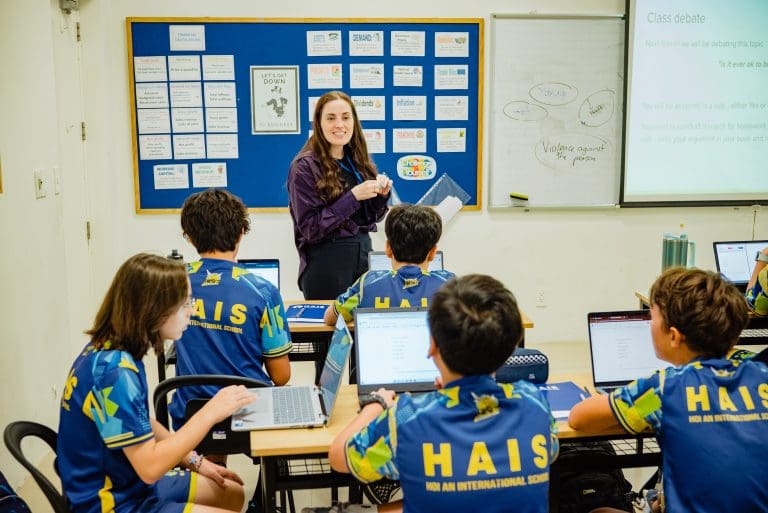
At HAIS, we see teenagers navigating friendships, expectations, ambition, and uncertainty. We see their resilience, creativity, humour, and kindness. We also see the pressure they sometimes carry quietly. The teenage years are not only challenging, they are transformative.
When school and home work together, young people benefit from consistent guidance and shared understanding. They feel supported by a network of adults who care deeply about their wellbeing. If conversations feel shorter right now, do not lose heart.
Your presence still matters. Your patience still shapes them. Your steady support is more powerful than you may realise. The teenage years are not about losing connection. They are about building a new one.